In Conyers, GA, recurring quarterly pest control plans typically cost between $85 and $190 per visit, following an initial clean-out inspection fee of $140 to $270. Specialized treatments vary widely: monthly mosquito spraying averages $65 to $125 per visit, subterranean termite treatments range from $800 to $2,500, and comprehensive bed bug heat treatments range from $1,000 to $3,600.
- 1.2026 Conyers Pest Control Pricing Guide
- 2.Key Factors That Influence Your Written Estimate
- 3.One-Time Sprays vs. Quarterly Maintenance: The Honest Math
- 4.Structural Cost Drivers: Crawl Spaces, Slabs, and Wooded Lot Margins
- 5.Key Questions to Ask Before Signing a Recurring Pest Service Agreement
- 6.The Cost of Inaction: How Delayed Pest Treatments Multiply Expenses
- 7.Consumer Guidance on Pest Control Contracts
- 8.Frequently Asked Questions
2026 Conyers Pest Control Pricing Guide
These realistic market estimate ranges reflect typical pricing across Conyers, Covington, and east metro Atlanta based on property size and service scope:
Have an Active Pest Question in Conyers?
Call our direct dispatch line at (321) 496-4080 to speak with an independent local pest contractor serving Rockdale County.
Key Factors That Influence Your Written Estimate
Independent contractors calculate pest control estimates based on four specific physical variables on your property:
- Square footage & linear perimeter: Larger homes require more gallons of micro-encapsulated liquid and wider granular barrier bands.
- Foundation construction: Crawl space homes require inspection of interior masonry piers and vent dusting, while concrete slabs require checking exterior weep holes.
- Landscaping & moisture buffers: Properties backing up to wooded lots or retention ponds experience higher re-infestation pressure.
- Infestation severity: Routine preventative maintenance costs significantly less than intensive multi-visit eradication of established German roach or bed bug colonies.

One-Time Sprays vs. Quarterly Maintenance: The Honest Math
Homeowners often ask if a one-time spray ($150 to $300) is more economical than a quarterly plan ($340 to $760 annually). For an isolated outdoor wasp nest or swarm of yellow jackets, a one-time treatment makes complete financial sense. However, for crawling pests like ants, spiders, and American roaches, single treatments rarely provide lasting value. Georgia's intense sun, high humidity, and 50+ inches of rain naturally break down chemical barriers within 90 days. Quarterly service ensures continuous foundation protection with free callbacks if bugs appear between visits.
Structural Cost Drivers: Crawl Spaces, Slabs, and Wooded Lot Margins
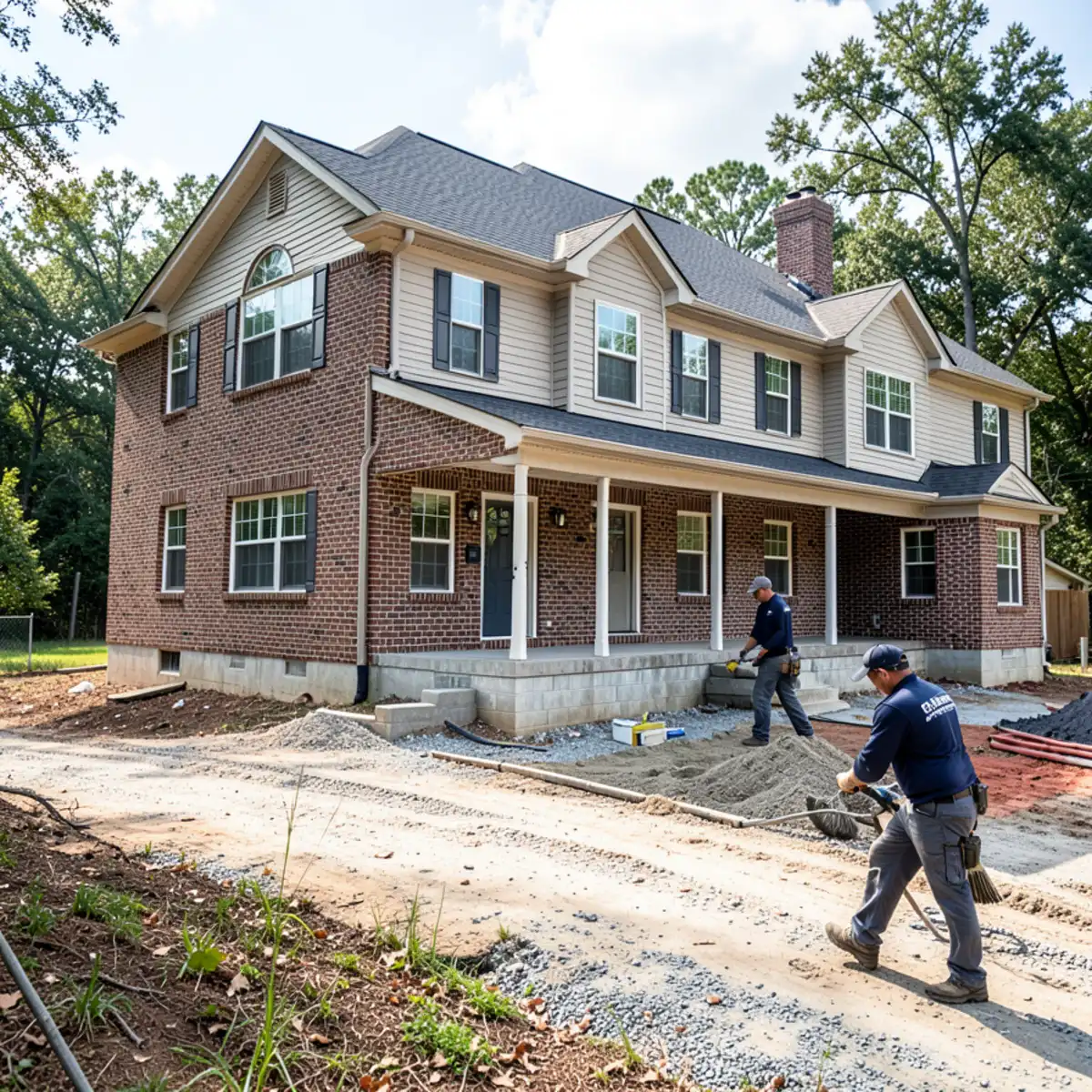
In east metro Atlanta, two identical 2,500-square-foot homes can receive vastly different treatment estimates due to structural design. A home built on a vented dirt crawl space with historic brick piers demands labor-intensive subfloor crawling, moisture testing, and perimeter trenching inside and outside the foundation. Conversely, a modern concrete slab home primarily requires perimeter rodding and attached garage joint drilling. Furthermore, heavily wooded lot margins—such as properties bordering Arabia Mountain in Lithonia or the Alcovy River in Newton County—require wider granular band applications to intercept forest pests before they reach exterior brick siding.
Key Questions to Ask Before Signing a Recurring Pest Service Agreement
Before authorizing service with any contractor, ask these essential consumer protection questions: (1) Does the quarterly agreement include free callback visits if pests re-emerge between scheduled treatments? (2) What is the cancellation policy—are you locked into an automatic 12-month contract, or can you cancel anytime in writing? (3) Does the quarterly fee cover attic and crawl space checks, or only exterior foundation walls? (4) Are chemical product names and EPA registration numbers provided on every service ticket? Clear answers ensure transparent, surprise-free pest management.
The Cost of Inaction: How Delayed Pest Treatments Multiply Expenses
Postponing pest control to save a few dollars often leads to exponentially higher emergency repair bills. A minor seasonal outdoor ant trail that could be resolved with an $85 quarterly barrier visit can escalate into an interior carpenter ant satellite colony that hollows out window framing and requires structural carpentry. Similarly, ignoring a faint scratching noise in the attic can allow a pair of roof rats to multiply into dozens of rodents that chew through electrical wiring—creating serious fire hazards and demanding $2,000+ in attic insulation remediation. Proactive quarterly maintenance is consistently the most cost-effective path.
Always review the cancellation policy and callback terms in any recurring pest control agreement. A reputable service provider should clearly explain what happens if pests return between regular quarterly visits, and callbacks should be included at no additional charge under standard maintenance agreements.
Federal Trade Commission / Georgia Department of Agriculture Consumer Advisory
Frequently Asked Questions
Many corporate pest control companies require 12-month agreements to offset the discounted price of their initial inspection. However, independent contractors connected through our line often offer flexible agreements with transparent terms and straightforward cancellation policies.
Our local guides cite verified state regulatory bodies, university cooperative extension services, and official pest management standards.
- [1]Consumer Guide to Pest Management Services— Georgia Department of Agriculture
- [2]Evaluating Structural Pest Control Quotes— National Pest Management Association