
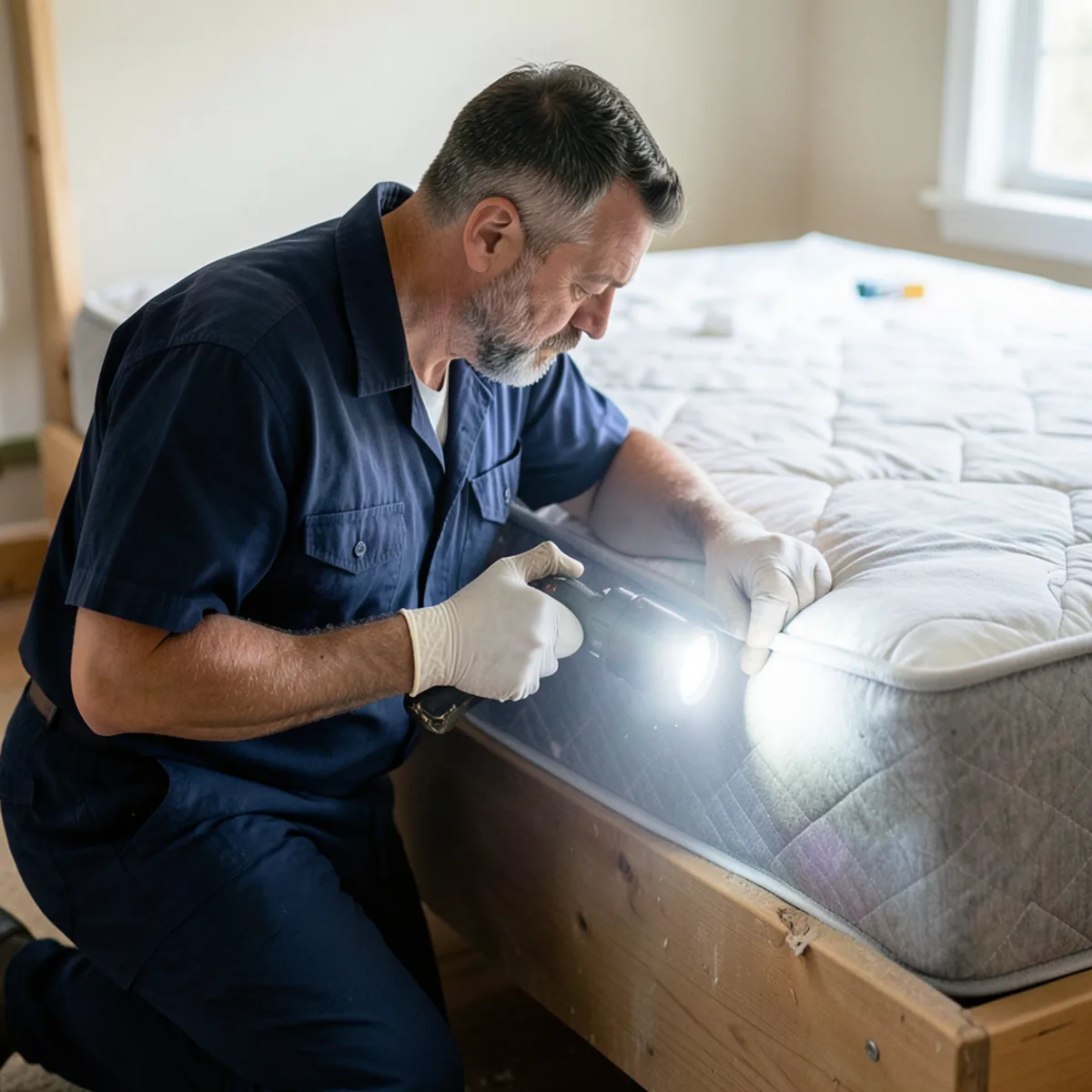
If you discover bed bugs in your Conyers home, immediately stop sleeping in other rooms to prevent spreading the bugs throughout the house. Do not throw away your mattress or use over-the-counter bug bombs. Instead, strip bedding directly into heavy-duty plastic contractor bags, dry all washable items on high heat for 30 minutes, and call (321) 496-4080 to schedule a professional inspection.
- 1.The 5 Critical Mistakes to Avoid Immediately
- 2.Hour-by-Hour 24-Hour Containment Checklist
- 3.The Essential High-Heat Laundry and Bagging Protocol
- 4.What to Expect on Treatment Day: Thermal Heat vs. Precision Chemical Protocols
- 5.Thermal Lethal Threshold for Bed Bug Eradication
- 6.Frequently Asked Questions
The 5 Critical Mistakes to Avoid Immediately
During the first few hours of panic, homeowners frequently make common errors that drastically increase remediation costs:
- Do NOT move to the living room couch or a guest bedroom. Bed bugs detect carbon dioxide and body heat; moving rooms causes bugs to migrate through baseboards and hallways, spreading the infestation across your entire home.
- Do NOT drag your mattress through the hallway to the curb. Dragging infested furniture across carpets dislodges eggs and live bugs into adjoining bedrooms and living spaces.
- Do NOT set off total-release aerosol foggers ('bug bombs'). Foggers do not penetrate mattress piping and force bugs into deep wall cavities and electrical conduits.
- Do NOT apply rubbing alcohol or household bleach to furniture. Alcohol is an extreme fire hazard that evaporates instantly without killing protected bed bug eggs.
- Do NOT discard expensive furniture before speaking with a professional. Most mattresses and bed frames can be completely salvaged with thermal heat treatments.
Have an Active Pest Question in Conyers?
Call our direct dispatch line at (321) 496-4080 to speak with an independent local pest contractor serving Rockdale County.
Hour-by-Hour 24-Hour Containment Checklist
Follow this structured, calm action plan during your first day of discovery:
- Hours 1–2 (Confirmation): Capture a live insect using clear tape and seal it in a ziplock bag to confirm species identification.
- Hours 3–5 (Containment): Strip sheets, pillowcases, and blankets directly into heavy contractor trash bags and seal them with zip ties inside the bedroom.
- Hours 6–8 (Thermal Laundry): Transport sealed bags directly to your laundry room. Wash in hot water and dry on high heat (at least 120°F) for 30 to 45 minutes to kill all life stages.
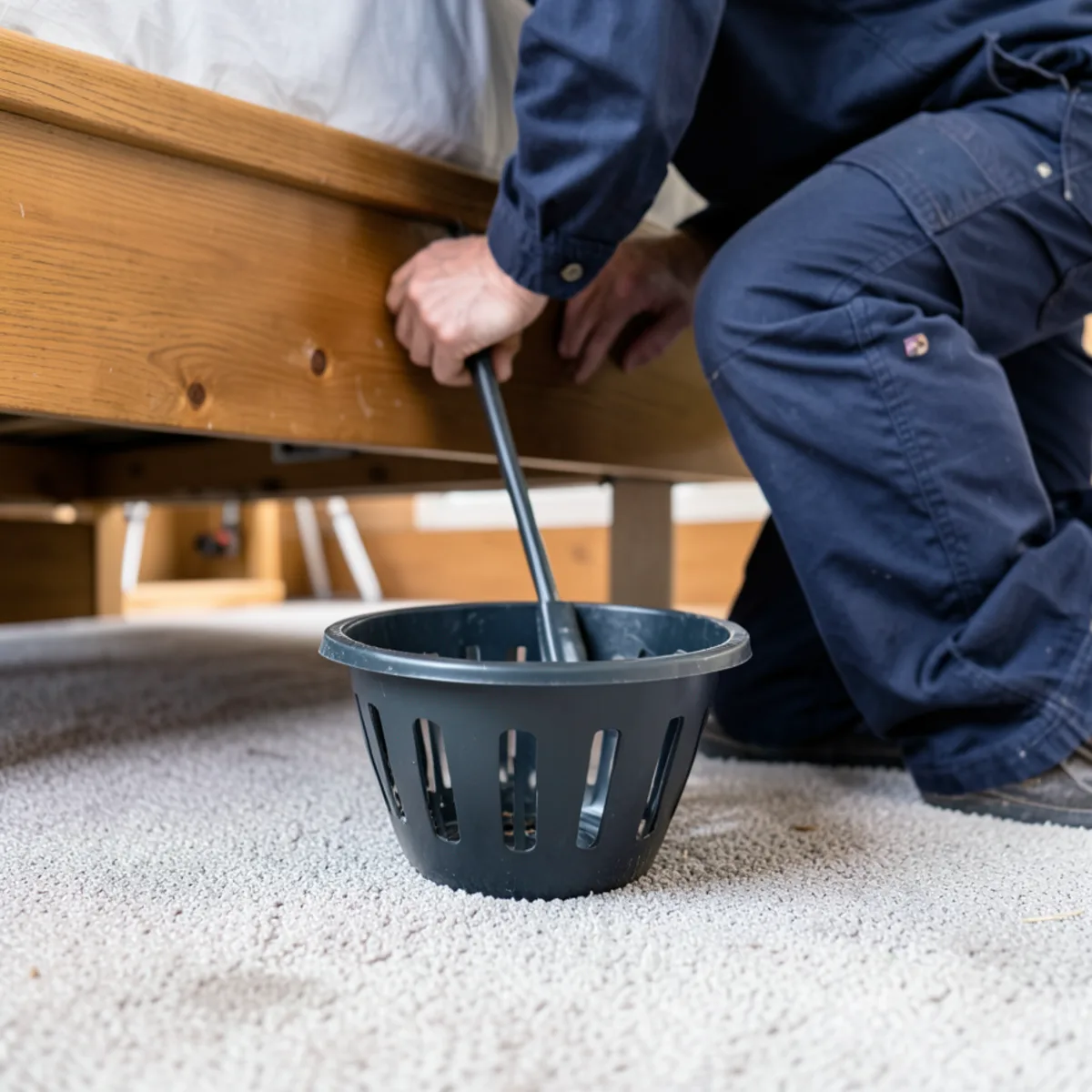
- Hours 9–12 (Decluttering): Clear floor clutter around the bed. Pull the bed frame 6 inches away from baseboard walls and remove wall-hung headboards.
- Hours 13–24 (Professional Scheduling): Call (321) 496-4080 to connect with an independent local bed bug specialist who can evaluate thermal heat remediation versus chemical clean-out options.
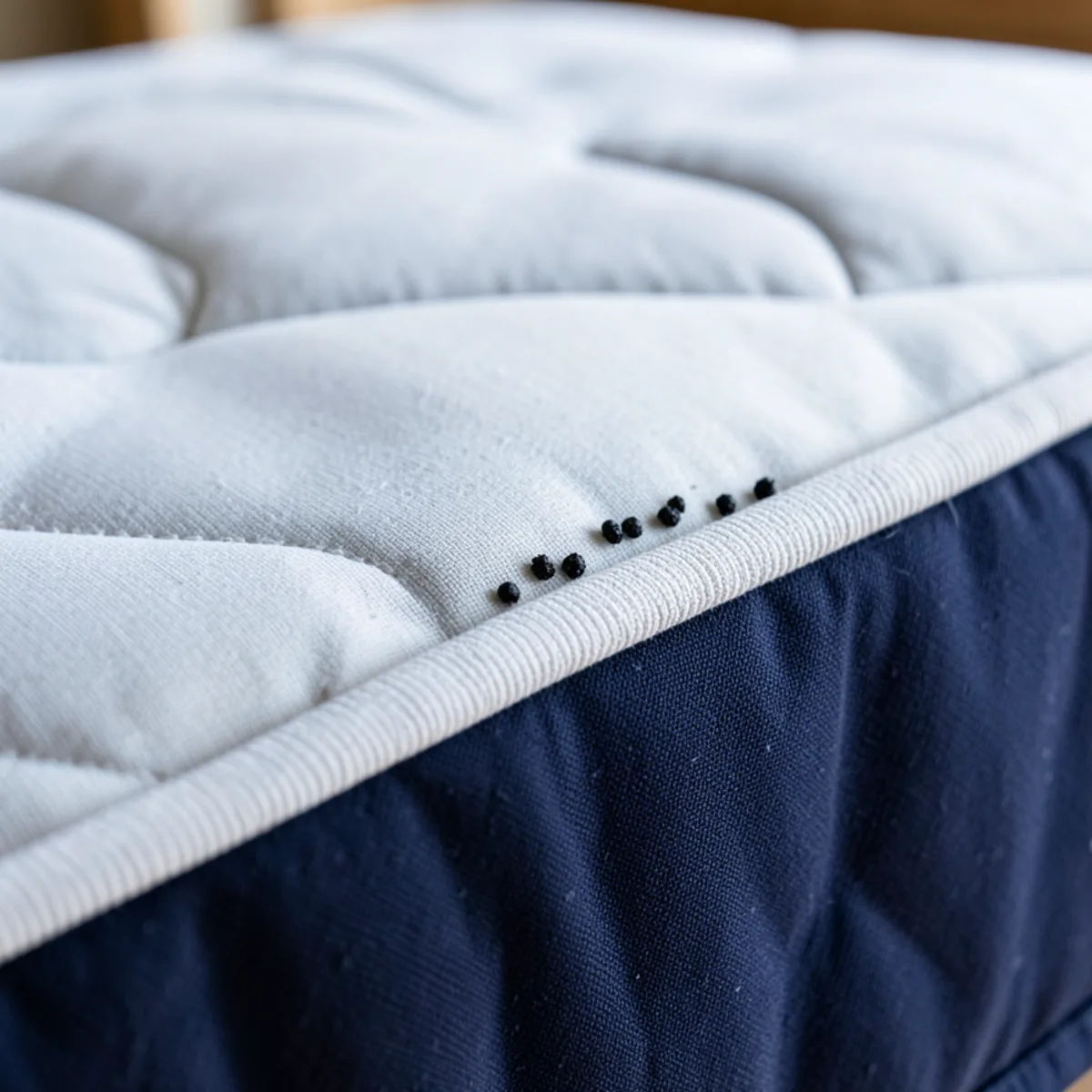
The Essential High-Heat Laundry and Bagging Protocol
Heat is the single greatest natural vulnerability of bed bugs. While standard washing machines kill adult bugs through drowning, high-heat dryer cycles are required to destroy microscopic bed bug eggs. Every textile item in the infested bedroom—including bedding, curtains, clothing, and closet items—must be sealed in airtight contractor bags before leaving the room. Place items directly into the dryer on the highest heat setting for a minimum of 30 minutes. Once dried, immediately transfer clean clothing into fresh, unexposed plastic bins or new sealed bags until the entire home treatment is completed.
What to Expect on Treatment Day: Thermal Heat vs. Precision Chemical Protocols
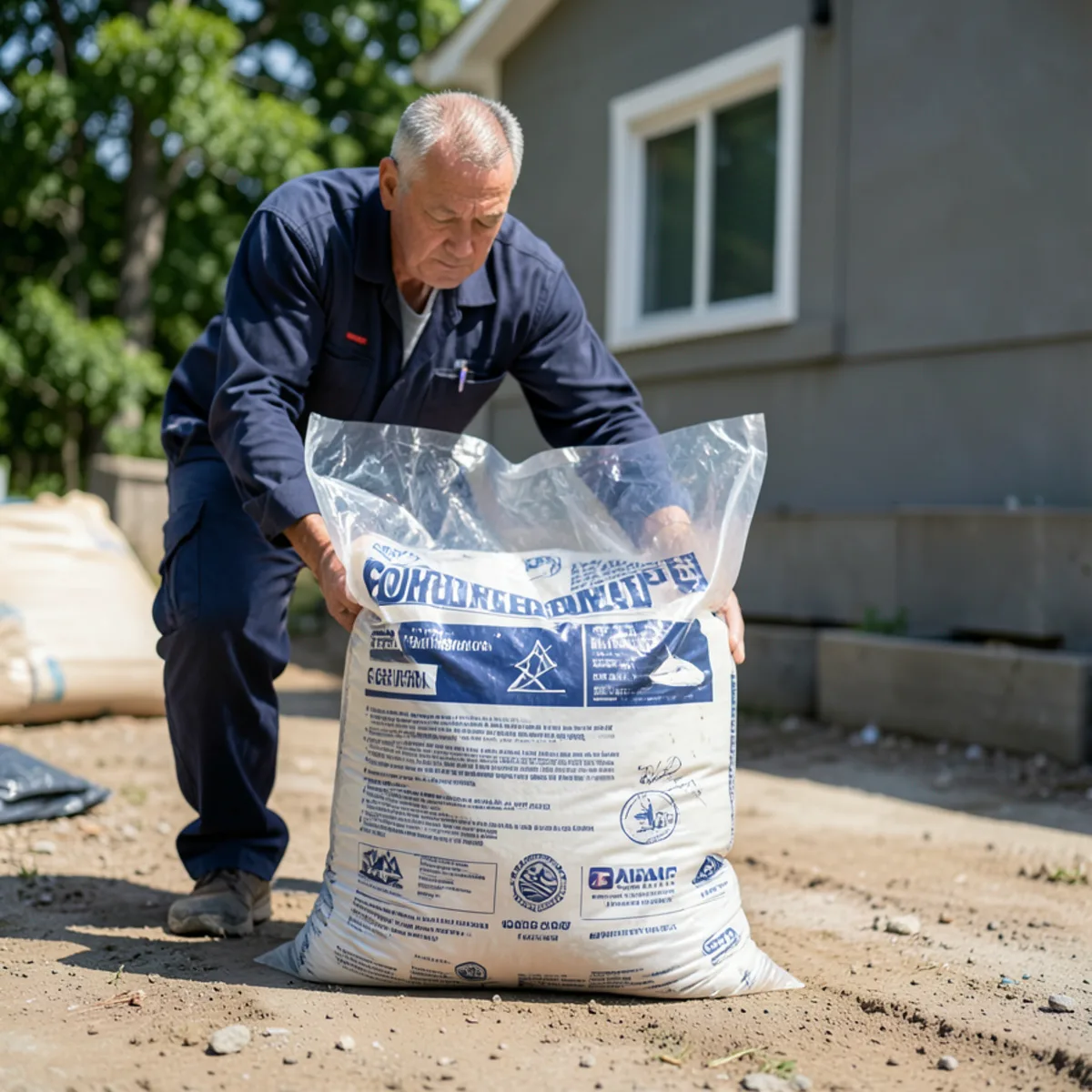
On treatment day, professional exterminators utilize one of two primary methodologies. Whole-structure thermal heat treatment uses high-output electric or indirect-fired propane heaters to raise interior room temperatures to 122°F–135°F for several hours. High-velocity air movers circulate heated air deep into wall cavities, mattress box springs, and closet spaces, achieving complete eradication of all life stages in a single visit. Alternatively, precision chemical protocols involve applying non-repellent liquid residuals, contact flushing aerosols, and amorphous silica desiccant dusts across mattress seams, furniture joints, and baseboard crevices. Chemical protocols require 2 to 3 follow-up visits spaced 10 to 14 days apart to eliminate newly hatched nymphs, accompanied by strict 2- to 4-hour occupant re-entry intervals.
All life stages of the common bed bug (Cimex lectularius), including eggs, die when exposed to sustained temperatures of 122°F (50°C) for less than 15 minutes. Professional heat remediation systems maintain room air temperatures between 125°F and 135°F to ensure lethal heat penetrates thick upholstery and structural voids.
Virginia Tech Department of Entomology / University of Georgia Extension
Frequently Asked Questions
No, bed bugs do not live or nest on pets like fleas or ticks do. While a hungry bed bug may occasionally bite a dog or cat if a human host is unavailable, their bodies are not adapted for crawling through thick animal fur.
Our local guides cite verified state regulatory bodies, university cooperative extension services, and official pest management standards.
- [1]Bed Bug Prevention, Detection and Control— U.S. Environmental Protection Agency (EPA)
- [2]Biology and Management of the Bed Bug— University of Georgia Extension Bulletin